by Tanvir | Jun 8, 2025 | Uncategorized
How-To Guide for Infused Water
When you’re busy with work and kids, it can be difficult to find time to sit down and eat a “real” meal, let alone get all of the nutrients you need each day. That’s why we love infusing water with fruits and herbs, because it’s a great way to sneak extra nutrients into your diet and stay hydrated. Below are some of the health benefits of infused water as well as some of our favorite ingredients and combinations.
Infused water helps you stay hydrated.
During pregnancy, one of the most important things you can do for yourself and your baby is to drink plenty of water. However, many moms struggle to drink enough water because they prefer tea, juice and even soda. Infused water can help with that because it gives you some of the flavor and sweetness you crave without artificial sweeteners and added calories being added to your diet. Just think, if you drink one soda per day at 150 calories, that’s the equivalent of more than 15 pounds in a year.
It also helps provide additional nutrients.
When you infuse your water, it’s not just flavor that is absorbed – nutrients are, too. While you don’t get the fiber or full health benefits you would if you ate the fruit, some vitamins, minerals and antioxidants will still make it into your water. When you’re eating and drinking for two, every little bit counts!
Plus, you’ll have more energy.
If you usually drink sugary sodas, teas and juice, you’ll see a boost in your energy simply from removing the extra sugar and caffeine you were getting in those drinks. You can say goodbye to the late afternoon crashes that happen when your body craves more caffeine and sugar.
The benefits are almost endless.
Since your gut health effects most of your immune system, the combinations of cutting out less healthy drinks and adding additional nutrients of fruits and herbs will help you stay healthier overall. You may see a boost in your metabolism and even in your ability to fight off illnesses going around. Drinking more water can also help you to feel less hungry because thirst can be mistaken for hunger, leading to overeating or snacking on unhealthy foods.
Get started: choose your flavors.
Consider fruits and herbs that can be infused into multiple blends to maximize your spending. If you’re not sure what combinations will taste good, just think about flavor combinations you’ve seen in recipes, candy or drinks. Start simple and add more ingredients once you get an idea of what you like.
If you’re looking for a particular impact on your health, here is a cheat-sheet with some ideas to get you started:
- Apples – rich in iron, improves heart health
- Basil – antibacterial and antimicrobial properties
- Blueberries – rich in antioxidants, great for your immune system
- Cinnamon – boosts your brainpower, fights infections and viruses
- Citrus (oranges, lemons, limes, grapefruit) – great for energy, high in Vitamin C, helps to flush out toxins and improve digestion
- Cucumbers – high in B vitamins, reduces stress
- Ginger – improves digestion, anti-inflammatory
- Kiwi – great for your skin
- Mango – anti-inflammatory properties
- Melons (cantaloupe, watermelon, honeydew) – improves kidney function, boosts energy
- Papaya – packed with vitamins A & C and rich in folate, which is a much-needed nutrient during pregnancy!
- Mint – supports healthy cholesterol, decreases bloating
- Rosemary – stimulates circulation and improves mood
- Strawberries – rich in antioxidants and packed with potassium
Some of our favorite blends include:
- Strawberry, cucumber and basil
- Grapefruit, lemon and mint
- Watermelon and basil
- Apple, ginger and cinnamon
- Cucumber, kiwi and lime
- Papaya and mango
- Lemon, lime and rosemary
Invest in a water infuser.
These come in individual sizes (16-24 ounce) but they also come in gallon size containers so that you can make one larger batch of infused water to sip on all day. If you don’t want to spend the money on an infuser, you can also drop your ingredients directly into your water bottle or glass. You may get some seeds and fibers from the fruit this way, so take that into consideration.
Say cheers to better health.
If you drink a lot of sugary or caffeinated drinks, your body may take time to adjust to drinking infused water. You can experience withdrawal symptoms and feel more irritable for a short while, but after a few days you’ll be feeling more refreshed and better than ever!
by Tanvir | Jun 8, 2025 | Uncategorized
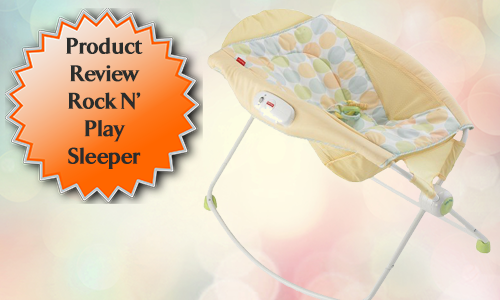
Product Review: Rock N’ Play Sleeper for Your Newborn
As you complete your baby registry and prepare for your little one to join your family, don’t forget about this must-have baby item: the Rock N’ Play Sleeper by Fisher Price.
Many parents want to room-share with their newborn for a few months or longer. It may not be plausible for you to put your baby’s full-sized crib in your bedroom, so you’re in the market for a sleeper or bassinet. The many different options available can be overwhelming, so we are sharing the pros and cons of one of our favorite sleepers, the Rock N’ Play.
Pros of the Rock N’ Play
- Incline Position: Sleeping on a slight incline can provide benefits for baby including easier breathing and better digestion. This is especially helpful if your little one suffers from reflux.
- Comfort: Your little one will feel snug in the Rock N’ Play because the design makes her feel like she’s being held. The bottom is a hard plastic, so the sleeper maintains its shape and doesn’t sag. The material is breathable so that your little one won’t overheat.
- Rocking Feature: Depending on which model you choose, the rocking feature is automatic. Yay! Just plug the Rock N’ Play into the wall and press the power button for up to six hours of automatic rocking. Depending on how you look at it, the “white noise” from the rocking feature could be a pro or a con – just something to keep in mind!
- Convenience: This infant sleeper has a washable cover that’s easy to remove and throw in the washer. You can also fold it up with the press of a button and place in a closet or take it apart for even more compact storage.
- Lights and Sounds: Some of the latest models include a shade with twinkling lights and soothing sounds. This can help to soothe and distract your little one if she is upset.
Cons of the Rock N’ Play
- Price: Depending on which one you choose, the Rock N’ Play can cost $70-$120. Since it’s not something your little one will sleep in long-term, you may consider the features you expect to use most before choosing model.
- Safe Sleep Guidelines: According to the American Academy of Pediatrics, the safest sleep for your little one is flat on her back with no toys or blankets. If you are concerned about the incline, there is also a bassinet that vibrates and moves similar to the Rock N’ Play, but has a flat surface.
- Crib Transition: Once your little one gets used to sleeping snug at an incline, the transition to sleeping flat in the crib may be difficult. To ease the transition, plan on rolling up a towel or blanket under one end of the crib mattress. This will mimic the incline of the Rock N’ Play as she adjusts.
- Weight Limit: While the weight limit is 25 pounds on most models, we found that our little ones grew out of the sleeper much faster than that. Once your baby can roll or sit up on her own, it’s no longer safe to use the Rock N’ Play unsupervised. Depending on your little one’s development, this could be sooner or later.
- Batteries: The vibrate feature on some models requires D batteries, which is an extra expense to consider. From our experience, the batteries do seem to last a while. One good thing is that the vibrate feature slowly fades out over time instead of shutting off suddenly when the batteries die.
In the case of the Rock N’ Play, the pros definitely outweigh the cons. The biggest factor you will want to consider is the Safe Sleep Guidelines, which we’ve highlighted below. Even if you don’t let your little one sleep in it at night, the Rock N’ Play may help her nap better during the day so you can get things done around the house.
Notes About Safe Sleep Guidelines:
According to Safe Sleep Guidelines put forth by the American Academy of Pediatrics, room sharing with parents can reduce the risk of SIDS by up to 50 percent. Keep in mind that these guidelines also recommend you follow the ABCs of safe sleeping: Your baby should be Alone on their Back in a Crib.
- Don’t sleep with baby in your bed
- Don’t include any toys or blankets in baby’s bed
- Don’t lay your little one on her side or stomach to sleep
- Don’t put your baby in bouncers, swings or car seats to sleep
If your little one sleeps better swaddled, make sure that the blanket or wrap is tucked in tightly and sits below the shoulders. If you purchase a version of the Rock N’ Play that has a soft insert, consider removing it before letting your little one go to sleep.
by Tanvir | Jun 8, 2025 | Uncategorized
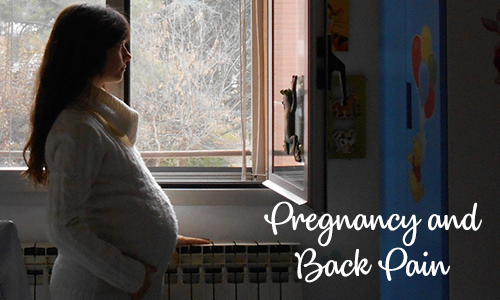
Pregnancy brings with it a whole host of changes to a woman’s body, and the process is associated with all kinds of common complaints: fatigue, weight gain, increased frequency of urination, nausea and others. Perhaps the most widespread and problematic problem faced by women during pregnancy is the onset of back pain- experienced even by women who never had back issues before their pregnancy. Depending on whose statistics you go by, as much as 70% of women will experience back pain over the course of their pregnancy.
The primary underlying cause of back pain during pregnancy is obvious; women experience a more rapid weight gain during this 9-month physiological extravaganza than during any other time in their lives. Furthermore, this weight is carried in a location where it causes more structural issues than if it were distributed virtually anywhere else on a woman’s body.
There is a secondary, less obvious cause of back pain during pregnancy. You see, during delivery, a woman has to push a baby through a space which is physically smaller than the baby itself. In anticipation of this process, a woman’s body produces a hormone known as ‘relaxin’. This innocuous sounding hormone loosens the ligaments in the pelvic girdle- a process which by itself would be sufficient to destabilize the lower back. Unfortunately, its activity doesn’t stop there. It is indiscriminate, in how it works and loosens all of the ligaments and connective tissue of the lower spine as well. The result is a destabilized back that feels pain.
So, does this mean pain is an inevitability during pregnancy? Well, again from a statistical point of view, it is not. As I said earlier, about 70% of women will have pain. But what separates the other 30% of women from the pack? Is there anything you can do to avoid this uncomfortable side effect of pregnancy.
Here is what I can tell you based on my clinical experience. There seem to be several factors which play a role in whether a woman is likely to experience back pain during pregnancy, and you may be able to use these to your advantage.
Women who routinely exercised prior to becoming pregnant seem to be less prone to back pain. In my clinical experience, it doesn’t matter if the woman in question is lighter or heavier prior to pregnancy- simply whether they exercise or not was a reasonably accurate predictor of back pain.
Women who exercise regularly have better muscle tone, so the destabilizing effects of relaxin have a less detrimental effect.
Women who prioritize quality sleep tend to have less back pain during pregnancy. The reason for this is fairly obvious: well-rested individuals have better energy reserves, and the muscles supporting their spine are less prone to fatigue.
Women who consume well-rounded diets tend to have less back pain during pregnancy. This is again, likely due to having greater energy stores associated with good nutrition. Furthermore, there is some evidence that well-rounded diets are less inflammatory- and inflammation can worsen back pain.
Women who take time to participate in relaxing activities such as meditation or yoga seem to have less incidence of back pain. The reasons for this should be self-evident.
As I said earlier, pregnancy-related back pain is very common- but understanding its origin, and taking simple steps to help prevent it can often result in a pain-free pregnancy. As for the delivery….well, there you’re on your own……

by Team Admin | Jun 6, 2025 | Uncategorized
Co-Sleeping the Safe Way
After spending nine months inside your belly, your little one will need lots of your love and attention once she’s born. After all, you’re all she’s ever known! The sound of your voice and familiar feeling you provide will be all your little one wants. It may seem like she never wants to be put down and may even fuss when anyone else holds her.
Since she wants to be held 24/7 (and rightfully so!) she may not even want to be put down when you’re ready to go to sleep at night. Since it isn’t safe to fall asleep holding your baby, we have some great ways to safely co-sleep. These tips and products will ensure you both get a restful night’s sleep.
Share a room.
The American Academy of Pediatrics recommends sharing a room with your little one for at least the first six months of life. Doing so greatly decreases the risk of SIDS. You can set up her crib, bassinet or another sleeper in your bedroom. Bonus: it makes getting up to feed her in the middle of the night more convenient since she’s right there next to you.
Sharing a room will help your baby to sleep better because she will sense you close by, even if you’re not holding her. Then, when she wakes up and cries, you’ll be able to respond more quickly before she gets too worked up in the middle of the night. It will take time, but your little one will learn that even if you’re not holding her all the time she is safe with you nearby.
Invest in a co-sleeper.
If being in the same room isn’t enough for your little one, you can try a co-sleeper. These range from bassinets that attach to the side of your bed to inserts you can place in your bed. There are many co-sleepers available that strive to meet safe sleep standards while allowing you to be even closer to your little one. Here are some of the top-rated co-sleepers for 2018:
Dock-A-Tot: This sleeper is an insert that you can place in your bed. It allows you to sleep with your little one while she remains safe in her own little cocoon. The Dock-A-Tot’s soft sides hug your baby and imitate the feeling of being held or being in the womb.
Sleep N’ Feed: This product doubles as a sleeper and as a nursing pillow. With removable pillow inserts, it can be adjusted to your growing baby’s needs. Use all of the inserts for your newborn and remove them as she grows and needs more room.
SwaddleMe By Your Side: With mesh sides and a firm bottom, this sleeper is also placed in your bed. It helps prevent the chance of rolling over on your little one during the night and breathable mesh prevents the risk of suffocation. Bonus: the price is super affordable!
Halo Bassinet: The Halo is a stand-alone sleeper that you can set up next to your bed. The height adjusts and the bassinet swivels so that your baby can sleep close to your bed without being in it.
Arms Reach: With a design similar to a pack-and-play, this co-sleeper has one side rail that can be lowered. When placed against the side of your bed, this co-sleeper is like an extension of your bed for your baby.
Transitioning from co-sleeping
When you’re ready for your baby to begin sleeping on her own, transition her slowly. If you’ve used a co-sleeper that’s in your bed, move it to a pack-and-play or crib that’s still in your room. Once your baby adjusts to that move, try taking away the sleeper so that she can get used to being in her own bed alone. The final (and biggest!) step is to move her bed to her own room. There may be a few rough nights as you both adjust, but chances are it will be harder for you than it is for your baby.
It’s important to make a choice that you and your partner are both comfortable with. Remember: co-sleeping isn’t forever. This will be a short season in your life, but it is a season that is incredibly important to your little one’s development.